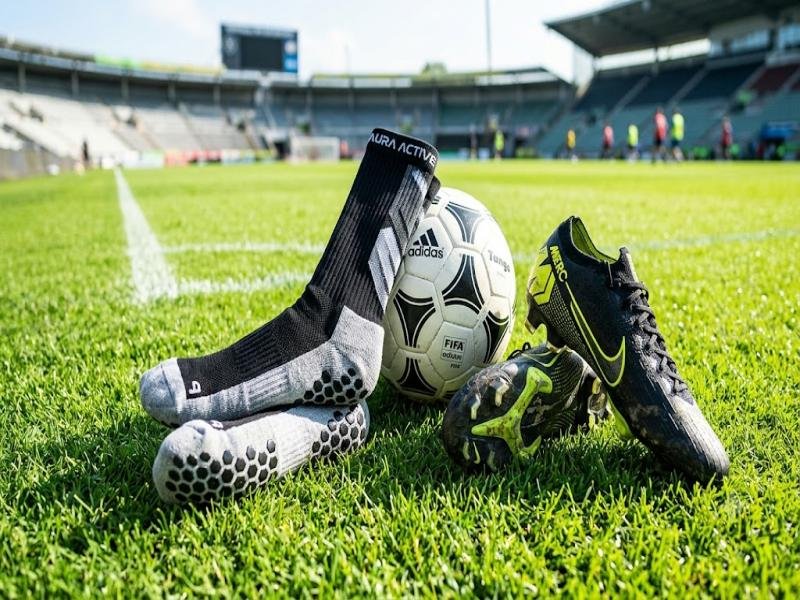
Understanding Performance Grip Socks and Athletic Gear for Better Stability
Introduction
Lux Sports Performance grip socks use dual sided traction to prevent foot
slippage inside shoes. This guide covers how these specialized garments and
training tools assist athletes in maintaining balance and stability during
intense movement.
Athletic performance often
depends on the small details that athletes manage during a match or training
session. One common issue for many players is the movement of the foot within a
shoe. Even with high quality footwear, the foot can slide slightly during quick
changes of direction or rapid acceleration. This lack of stability can lead to
wasted energy and a higher risk of friction related discomfort.

Footwear technology has
evolved to address these challenges. Specialized equipment now focuses on
creating a firm connection between the foot and the inner lining of the shoe.
By using advanced materials and functional design, athletes can gain better control
over their movements. This article looks at the range of gear available today,
from grip socks to training mats, and how these items fit into a modern sports
routine.
Design and Construction
of Grip Socks
The foundation of modern
grip technology lies in the material and the way it is structured. A typical
grip sock is not just a standard piece of hosiery. It is designed with specific
zones that provide traction both inside the shoe and against the skin.
Manufacturers use a
combination of synthetic and natural fibers to balance comfort with durability.
Many designs feature moisture wicking properties to keep the foot dry. A dry
foot is less likely to slip, which is why breathability is a central part of
the design process.
The grip elements
themselves are usually made from specialized polymers. These are placed on the
sole in patterns that match the pressure points of the foot. When a player
makes a sudden turn, these grip points catch against the inner surface of the
shoe. This allows for a more direct transfer of energy from the leg to the
ground.
Performance Features and
Benefits
The primary advantage of
using performance socks is the reduction of unnecessary foot movement. When the
foot stays in place, the athlete can apply more force to the ground. This
contributes to faster acceleration and more precise braking.
Compression is another
key feature found in these products. By providing 360 degree support around the
arch, these socks help maintain the structure of the foot. This support can be
helpful during long matches or extended training drills.
Other benefits include
the following.
Protection
against blisters caused by sliding.
Improved
energy transfer during fast movements.
Better
confidence when making quick cuts on the field.
Reduced
muscle fatigue due to proper foot alignment.
Product Range and
Specialized Gear
While grip socks are the
most common item, the category of performance gear extends to several other
products. These items are meant to support the athlete in different ways,
whether they are training on the pitch or working on their footwork at home.
Training Accessories
Training accessories are
designed to build the foundation for match day success. This includes items
like sport insoles which can be placed into existing footwear to add an extra
layer of stability. These insoles often feature the same grip patterns found on
socks to ensure the foot does not shift.
Compression sleeves are
also available for players who need extra support for their shin guards. These
sleeves hold equipment in place while providing mild compression to the lower
leg. They are made from light and breathable fabric that does not feel heavy
during a workout.
Skill Development Tools
For players looking to
improve their technique outside of team practice, there are specific training
tools available. These include items such as cognitive footwork mats. These
mats are designed to help athletes train their reaction time and coordination.
By following patterns on the mat, a player can improve their speed and
awareness.
Kick trainers are
another popular tool for soccer players. These consist of a ball attached to a
tether, which allows the player to practice ball control and passing without
needing a teammate or a large field. These are useful for building muscle
memory and ensuring consistent contact with the ball.
Comparison of
Performance Equipment
The table below outlines
the primary types of gear and their main functions for an athlete.
|
Product Type |
Primary Function |
Ideal Use Case |
|
Grip Socks |
Prevent foot slippage |
Game matches and training |
|
Sport Insoles |
Add internal traction |
Replacing worn out shoe inserts |
|
Compression Sleeves |
Shin guard support |
Protecting legs during matches |
|
Training Mats |
Agility and coordination |
Home skill development |
|
Kick Trainers |
Ball control practice |
Individual technical drills |
Durability and Everyday
Use
Athletes require gear
that can withstand frequent use. Because these products are used during intense
activity, the quality of the construction is very important. High quality socks
are built with reinforced heels and toes to prevent holes from forming after a
few uses.
The grip pads on the
soles are also tested for their ability to maintain friction even after being
washed multiple times. Proper care is essential for extending the life of these
items. It is generally recommended to wash them in cold water and avoid using
high heat in the dryer, as this can degrade the grip material over time.
For everyday use, these
socks are simple to incorporate into a routine. A player can replace their
standard socks with performance grip socks for any activity that requires
sudden movement. This includes soccer, rugby, pickleball, or even indoor gym
sessions.
The Importance of Fit
A piece of athletic gear
is only as effective as its fit. If a sock is too large, it will bunch up and
create discomfort. If it is too small, it can restrict circulation.
Manufacturers provide sizing charts that are based on standard shoe sizes to
help athletes choose the correct pair.
Most of these products
are designed to be anatomical, meaning there is a specific sock for the left
foot and the right foot. This ensures the grip patterns are positioned
correctly according to the shape of the foot. When buying, it is important to
check if the product offers this level of specific sizing.
Quality and
Craftsmanship
The difference between
standard apparel and specialized athletic gear often comes down to the testing
phase. Companies that focus on sports performance spend a significant amount of
time observing how athletes move. They analyze the stresses placed on the foot
and create designs that address those specific points.
Craftsmanship involves
choosing the right blend of fibers. For example, bamboo fiber is often used
because it is soft, breathable, and naturally resistant to odors. By combining
this with synthetic materials for stretch and durability, the final product
remains comfortable throughout a full game.
Target Audience and
Application
These products are
suitable for a wide range of people, not just professional athletes. Parents
often purchase this gear for young players who are developing their skills and
need more stability. Amateur players who participate in local leagues also find
that this equipment helps them stay competitive.
The focus is on anyone
who engages in sports where quick movement and stability are necessary. Whether
it is a player on a grass pitch, a court athlete playing pickleball, or someone
doing footwork drills in their garage, the goal is the same. The gear is
intended to remove the distraction of poor footing so the athlete can focus
entirely on the game.
Conclusion
Athletic gear has moved
toward specialized solutions that address specific physical challenges. Performance
grip socks and training tools provide a way for players at all levels to
improve their stability and confidence. By focusing on the mechanics of the
foot and the needs of the athlete, these products help in creating a more
controlled and effective experience on the field.
While the grip socks
remain the most common entry point, the full range of training accessories
offers a complete path for those looking to develop their skills. By choosing
the right equipment, athletes can manage their performance and focus on their
goals, knowing that their gear is working with them rather than against them.
FAQ
Do grip socks work with
any type of shoe.
Yes, they can be used
with most athletic shoes, including cleats and indoor trainers. The grip
patterns function by creating friction against the inner lining of the
footwear, which is effective regardless of the specific shoe brand.
How often should I replace
my grip socks.
This depends on how
often you play. If the grip material begins to peel or the fabric thins out
significantly, it is time for a new pair. Most athletes find that they need to
rotate a few pairs to ensure they have clean ones for each training session.
Are these socks machine
washable.
Yes, they are designed
for standard machine washing. It is best to wash them inside out to protect the
grip pads. Using cold water and air drying is the best way to maintain the
quality of the materials and the life of the grip.
Can beginners benefit
from this gear.
Absolutely. Beginners
often struggle with stability as they learn new movements. Having gear that
prevents the foot from sliding can help them maintain better form and learn
techniques more effectively.
What is the difference
between calf and knee high socks.
The difference is mainly
length and personal preference. Some players prefer calf length for a lighter
feel, while others prefer knee high socks for more coverage and support around
the lower leg. Both types offer the same grip technology.
Can I use these socks
for sports other than soccer.
Yes, they are suitable
for any sport that involves rapid changes of direction. This includes rugby,
tennis, basketball, pickleball, and general gym workouts. Any athlete who wants
more stability in their shoes can benefit from this technology.
How do I find the right
size.
Most brands use standard
shoe size conversions. Check the size chart on the product page to see which
size corresponds to your shoe size. Remember that these socks are designed to
fit snugly, so follow the recommendations carefully.
Do the grip pads feel
uncomfortable inside the shoe.
They are designed to be
thin and low profile. Once you are wearing them inside your shoes, you should
not feel the pads against your skin. The purpose is for the pads to hold the
shoe in place, not to provide cushioning on the sole of the foot itself.